
Introduction to Monochrome Style Fashion
Monochrome style fashion is one of those trends that never really fades—it just evolves. At its core, it’s about dressing in a single color palette from head to toe, creating a sleek, cohesive look that feels both modern and timeless. Whether it’s an all-black ensemble that exudes power, or soft beige tones that whisper sophistication, monochrome outfits make a quiet yet confident statement.
What’s fascinating about monochrome fashion is its simplicity. You don’t have to worry about clashing colors or over-accessorizing—everything flows naturally. But simplicity doesn’t mean boring. In fact, the beauty of monochrome lies in the details: the contrast between textures, the play of light and shadow, and the subtle variations in tone that bring an outfit to life.
This style has been embraced by designers and celebrities for decades. Think of Audrey Hepburn’s iconic black dress, or Kim Kardashian’s beige-toned looks—both examples show how monochrome can be effortlessly chic and deeply personal. The best part? Anyone can pull it off. You don’t need a stylist or a huge wardrobe. A few well-chosen pieces in similar hues can completely transform your look.
In a world overflowing with trends, monochrome fashion offers a kind of visual peace. It simplifies decision-making while still letting you express your individuality. So, whether you’re aiming for classic black-and-white or daring to go all-red, monochrome style lets your confidence—and personality—shine through.
What Is Monochrome Fashion?
Monochrome fashion is basically all about wearing one color—or variations of it—from top to bottom. The word monochrome comes from “mono,” meaning one, and “chrome,” meaning color. So, when you dress monochromatically, you pick a single shade and build your entire outfit around it. It could be all-black, soft pastel pinks, or even bold blues.
Now, it doesn’t mean you wear the exact same color head to toe like a paint bucket exploded on you (though that can be fun sometimes!). Instead, it’s about using different tones, tints, and textures of that color to create a look that feels rich and intentional. For example, pairing a light grey coat with charcoal trousers and a silver top still counts as a monochrome outfit—because it stays within the same color family.
The magic of this style lies in how effortlessly it makes you look put-together. You can walk into a room wearing a monochrome outfit and instantly look polished, even if you didn’t spend hours deciding what to wear. Plus, it’s super versatile—you can make it minimalist and clean, or bold and edgy depending on your mood.
Whether you prefer neutral palettes or love experimenting with vibrant shades, monochrome fashion gives you the freedom to express your personality without overwhelming your look. It’s not about following rules—it’s about mastering simplicity with creativity.
The Timeless Appeal of a Single-Color Palette
There’s something almost poetic about sticking to one color. It’s simple, it’s clean, and it feels… calm. The timelessness of monochrome fashion lies in its ability to transcend trends. No matter what’s “in” or “out” this season, a well-crafted monochrome outfit always looks current.
Think of it as the fashion world’s version of minimalism. A black outfit never feels old. A crisp white suit always makes a statement. Even a full denim-on-denim look—if styled right—has that enduring charm. Monochrome has been loved for generations because it doesn’t shout for attention, yet it captures it effortlessly.
The beauty also lies in its adaptability. You can wear monochrome for business meetings, brunches, red carpets, or lazy weekends—it always fits. And it works for every personality type: the bold can go for bright reds or greens, while the subtle souls may prefer creamy beiges or cool greys.
Maybe the real reason it’s timeless is emotional—it feels safe, balanced, and complete. It’s a reflection of confidence without the need to prove anything. That’s the quiet power of monochrome fashion: it’s both modest and magnetic at the same time.
Why Monochrome Style Remains a Global Fashion Trend
Across the world, from Tokyo to Paris, monochrome fashion has stayed relevant for decades. Why? Because it’s adaptable, inclusive, and incredibly easy to personalize. People love trends they can actually wear, and monochrome checks that box perfectly.
Fashion designers often return to monochrome collections because it allows them to play with structure, fabric, and detail instead of color distractions. It’s like giving creativity new limits—and finding magic within them.
Social media has also given monochrome a modern twist. Influencers and celebrities love showcasing their color-themed looks on Instagram, creating cohesive feeds that are aesthetically pleasing. You’ll notice entire grids dedicated to beige, white, or black tones—it’s visually satisfying and brand-friendly.
Culturally too, monochrome is universal. Black and white are staples in Western fashion, while all-red or all-gold looks dominate in Asian traditions. Every culture finds its own meaning in one-color dressing, whether it’s elegance, purity, or celebration.
Ultimately, monochrome style keeps evolving with each generation because it allows anyone—regardless of gender, age, or body type—to look stylish without effort. It’s the fashion world’s ultimate equalizer.
The Concept Behind Monochrome Style
Monochrome style isn’t just about fashion—it’s a mindset. It’s about finding beauty in simplicity and confidence in consistency. At first glance, it might look like a one-note concept, but in reality, it’s incredibly creative. Wearing a single color forces you to focus on the smaller things—texture, silhouette, tone, and even how light interacts with the fabric.
Imagine this: you’re wearing all white. To keep it interesting, you might pair crisp cotton trousers with a silky blouse and a chunky knit cardigan. The fabrics contrast beautifully even though the color stays the same. That’s the essence of monochrome style—it’s not about repetition; it’s about harmony.
This fashion approach also brings emotional calmness. When your outfit is unified, your look feels balanced—almost like visual peace. It makes decision-making easier too. You spend less time mixing and matching and more time feeling confident about what you’re wearing.
What makes the concept even more powerful is its adaptability. You can go monochrome with neutrals for a clean, minimal vibe, or with bold tones if you love making statements. It suits every mood and season. There’s no limit, only creativity.
At the heart of it, monochrome fashion celebrates unity. It proves that style doesn’t always need excess or contrast to stand out—sometimes, less truly is more.
Understanding Color Tones, Shades, and Textures
To really nail monochrome fashion, you have to understand the subtle dance between tones, shades, and textures. It’s what separates a flat outfit from a striking one.
Let’s break it down simply:
- Tones are colors mixed with grey.
- Shades are darker versions (with black added).
- Tints are lighter ones (with white added).
So, if you’re creating a navy-blue monochrome look, you might blend midnight blue pants with a powder-blue shirt and navy shoes. The variety of tones keeps your outfit dynamic without stepping outside your color family.
Textures are your secret weapon. They add depth and keep the outfit visually engaging. A soft wool sweater with leather pants, or satin paired with linen, makes your look come alive. Even subtle details like ribbed fabric or matte finishes can create visual interest.
Playing with these elements also helps express mood. A head-to-toe silk outfit might feel glamorous, while cotton-on-denim feels casual. You’re telling a story with textures and shades—without saying a word.
So, the next time you pick a single-color outfit, remember: the key isn’t “same color, same everything.” It’s about using texture and tone to add movement within that single hue.
How Monochrome Differs from Minimalist or Neutral Fashion
It’s easy to confuse monochrome with minimalist or neutral fashion—they all look clean and simple at first glance. But they’re not quite the same.
Minimalist fashion is more about simplicity and reducing excess. It focuses on fewer pieces, clean lines, and basic shapes, often in calm tones like white, beige, or black. Neutral fashion sticks to earthy or muted colors that don’t stand out too much—like taupe, cream, or olive.
Monochrome fashion, on the other hand, can be any color—bold red, forest green, electric blue—as long as the entire outfit stays within that color family. It’s not about toning things down; it’s about staying consistent. You can be monochrome and still vibrant or dramatic.
Another key difference is intent. Minimalist dressing is usually about reducing visual clutter; monochrome is about creating visual flow. It lets you express creativity through structure, proportion, and layering rather than through contrast.
In short, while minimalism whispers and neutrals blend, monochrome speaks clearly—but with elegance. It allows freedom inside boundaries, and that’s what makes it so interesting.
The Psychology of Wearing One Color
Color psychology plays a huge role in how we feel—and how others perceive us. Dressing in a single color amplifies the emotion tied to that shade.
For example, black often symbolizes strength, authority, and mystery. It’s no wonder people feel more confident in an all-black outfit. White gives off purity, clarity, and freshness—perfect for creating a calm and open vibe. Red, on the other hand, is full of energy and passion; wearing it head-to-toe instantly draws attention.
When you choose to wear one color, you’re making a subconscious emotional statement. You’re saying, this is my mood today. And the consistency of one color creates harmony—it feels stable and grounded, both to the wearer and the observer.
Interestingly, studies even show that people who dress in coordinated colors are perceived as more confident and organized. It’s as if the harmony in their outfit reflects the harmony in their personality.
So, monochrome fashion isn’t just a style—it’s a silent language. Whether you’re dressing for power, peace, or playfulness, your color speaks before you do.
How to Create a Monochrome Outfit
Building a monochrome outfit might seem simple at first—just wear one color, right? But actually, there’s a little art (and fun) in doing it right. The magic lies in how you combine tones, textures, and accessories so that your outfit feels interesting rather than flat.
Start with a base color that reflects your personality or mood. Black is sleek and powerful, white feels fresh and modern, and softer tones like beige or blush bring out quiet elegance. Once you’ve picked your base, the next step is to layer different shades of that color. For example, you might wear a light camel blouse with deeper brown trousers and tan boots. The variety keeps your outfit from blending into one flat tone.
Textures are your best friends here. Mixing cotton, silk, leather, or knit fabrics adds dimension. Even something subtle, like matte shoes with a shiny handbag, can make a huge difference.
Another tip—play with structure. Pair fitted pieces with loose ones, or combine sharp tailoring with something flowy. This keeps the outfit balanced and visually appealing.
And finally, accessories matter more than you’d think. A belt, bag, or pair of earrings in the same shade can tie everything together beautifully. Monochrome doesn’t mean dull—it means coordinated. Once you get the hang of it, you’ll realize it’s one of the easiest ways to look effortlessly polished.
Step-by-Step Guide to Building a Monochrome Look
Let’s break it down into simple steps—because honestly, once you get the rhythm, it becomes second nature.
Step 1: Choose your base color.
Pick one color that feels right for the day. If you’re new to this, start with safe tones like black, white, grey, or beige. Once you’re comfortable, explore bolder shades like emerald or lavender.
Step 2: Play with tones and layers.
Use different intensities of your chosen color—like sky blue with navy or cream with chocolate brown. Layers create contrast within the same hue, which adds life to the outfit.
Step 3: Mix textures.
Combine soft and structured fabrics—like denim with satin or linen with wool. The texture differences prevent the outfit from looking one-dimensional.
Step 4: Keep accessories in the family.
Bags, shoes, belts, and scarves should blend with the color scheme. You can go for the exact tone or something just slightly lighter or darker—it’ll still look cohesive.
Step 5: Balance your proportions.
Don’t let all pieces have the same fit. If your top is flowy, choose straight-cut pants; if your top is fitted, wide-leg bottoms often look amazing.
It’s that easy! The goal is to make it feel natural—not forced. With a little experimenting, you’ll start creating monochrome looks that feel like you.
Balancing Shades and Fabrics for Depth
If you’ve ever wondered why some monochrome looks pop while others fall flat, the answer usually lies in depth. Depth is what gives your outfit life—it’s the subtle difference between looking intentional and looking plain.
To add depth, work with contrasting tones within the same color. Think of navy blue jeans, a sky-blue shirt, and a midnight blazer. Each piece plays a unique role, but together they form a story.
Fabrics are equally important. A glossy silk top next to matte cotton trousers creates contrast that catches the eye. Mixing heavy and light materials—like wool and chiffon—also keeps the look dynamic.
When you’re balancing shades, use this little trick: place darker tones where you want to slim down, and lighter tones where you want to draw attention. For instance, dark pants with a lighter top elongate your figure beautifully.
You can even use accessories to layer shades—like pairing a darker handbag with a slightly lighter outfit. The key is not perfection, but harmony. Let the shades talk to each other naturally.
Depth isn’t about overthinking—it’s about letting each piece add a tiny bit of contrast so your outfit feels alive and textured.
Choosing the Right Accessories for a Cohesive Finish
Accessories can make or break a monochrome outfit—they’re like punctuation marks that complete your visual sentence. In monochrome fashion, the goal isn’t to stand out, but to blend beautifully.
Start by choosing accessories that stay within the same color palette. For instance, if you’re wearing a cream outfit, go for beige or ivory accessories instead of stark white—it keeps the flow soft and elegant.
Textures matter here, too. A patent leather bag, suede shoes, or metallic jewelry in a matching tone can add subtle sparkle without disrupting the look. Monochrome accessories don’t have to be boring—just balanced.
Jewelry should complement the outfit’s energy. Gold adds warmth to browns and beiges, while silver or platinum tones pair better with greys, blues, or blacks.
One common mistake is using accessories that overpower the outfit. If your clothing already has interesting texture or layering, keep the accessories minimal. On the other hand, if your outfit is sleek and simple, a bold monochrome hat, scarf, or clutch can add personality.
In short: your accessories should finish the story, not change the plot. They’re the final brushstrokes of your style masterpiece.
Popular Monochrome Color Choices
When it comes to monochrome style fashion, the beauty lies in its flexibility. You’re not tied to a single palette—you can express yourself through any color, from timeless neutrals to daring brights. Each hue tells its own story. Black and white will always be classics, but modern fashion has embraced an entire rainbow of monochrome possibilities.
What’s exciting is how every color changes your vibe completely. Wearing all-black gives you instant sophistication and mystery, while a head-to-toe beige look radiates quiet luxury. Meanwhile, a full red or cobalt-blue outfit screams confidence and energy.
The trick is understanding how each color interacts with your skin tone and personality. Cooler colors like blue, grey, or white bring a calm, refined feel, while warmer colors—think rust, tan, or mustard—add warmth and approachability.
In today’s fashion world, people love experimenting with unexpected monochrome combinations. You’ll see influencers rocking all-lavender looks or earthy greens from head to toe. What’s common across them all is a sense of intentionality—it looks deliberate, composed, and oh-so-elegant.
No matter your personal taste, there’s a monochrome color choice that fits you perfectly. Let’s explore some of the most popular and timeless options that never fail to impress.
Black and White Classics
Black and white—honestly, you can never go wrong here. These two shades are the backbone of monochrome fashion, standing the test of time across decades and cultures.
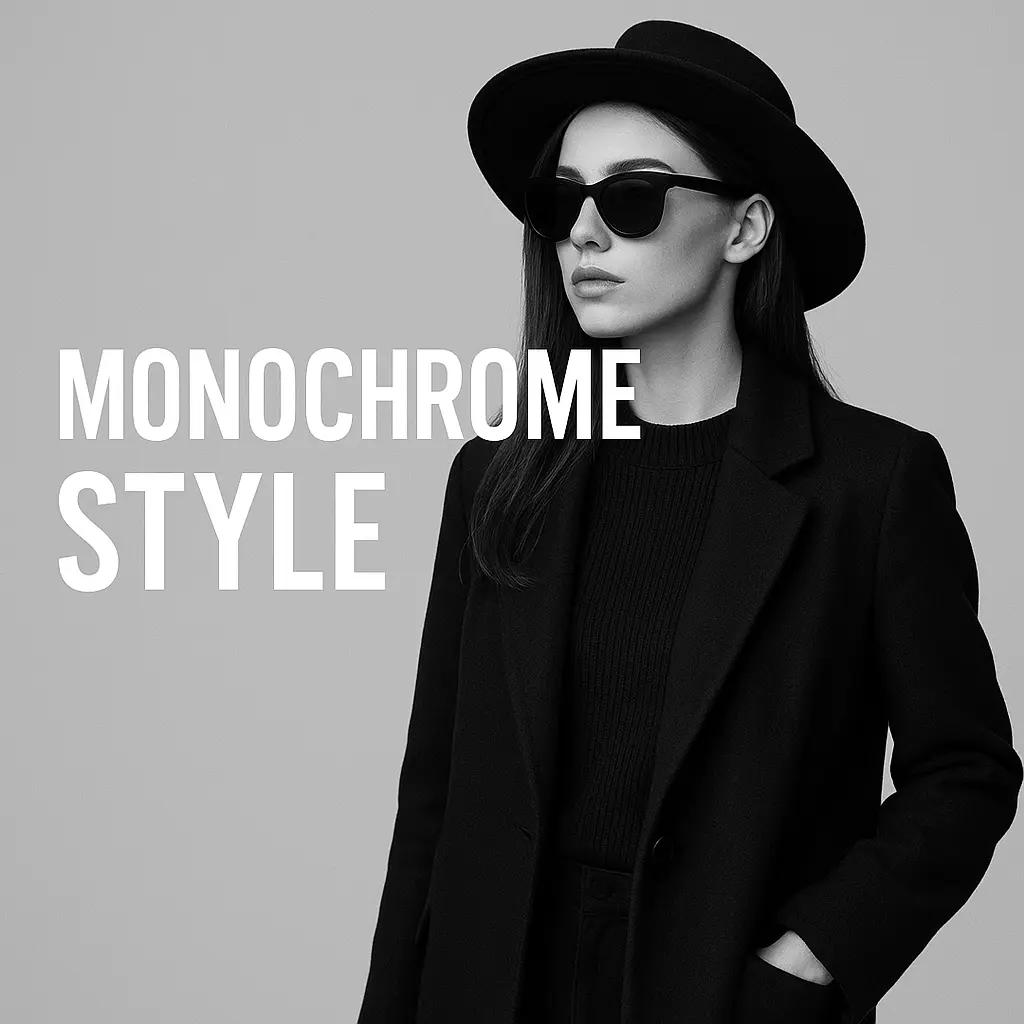
All-black outfits exude power, confidence, and sophistication. They slim the silhouette, hide imperfections, and carry a sense of mystery that few other colors can achieve. Whether it’s a black turtleneck with tailored trousers or a flowing black dress, this palette is effortlessly chic.
All-white outfits, on the other hand, speak of purity, freshness, and elegance. They’re perfect for summer days, formal events, or whenever you want to appear light and open. The trick to nailing an all-white look is texture—mix linen, cotton, lace, and silk to keep things visually interesting.
Black and white also pair beautifully together when you want contrast without stepping outside the monochrome family. A black suit with a crisp white shirt or a white jumpsuit with a black belt can create an instantly iconic look.
What’s most beautiful about these classics is their versatility—you can wear them anywhere, any season, and still look like you belong on a magazine cover.
Bold Monochrome Looks: Red, Blue, and Green Outfits
Bold monochrome looks are for those who love to make an entrance. These colors aren’t for hiding—they’re for expressing personality, passion, and presence.
Let’s start with red—the color of energy, confidence, and power. An all-red outfit commands attention immediately. Whether it’s a crimson coat over ruby trousers or a scarlet dress paired with matching heels, it radiates courage and charisma. The secret is to balance tones—deep reds with lighter ones, matte fabrics with glossy textures.
Blue monochrome outfits are more calming but still bold in their own way. Navy, cobalt, and sky blue can be mixed to create depth and serenity. Blue gives off professionalism and trustworthiness, which is why it’s often seen in both street style and corporate fashion.
Then there’s green—a refreshing, earthy, and surprisingly flattering color. Olive, mint, and emerald shades bring out natural tones in the skin and look elegant across seasons. A green monochrome outfit feels modern yet grounded, stylish but approachable.
These bold monochrome palettes are about confidence in color. They don’t scream for attention—they earn it naturally.
Soft Monochrome Tones: Beige, Pastels, and Greys
Soft monochrome tones are for those who prefer quiet elegance over loud statements. These colors—beige, pastels, and greys—are subtle but incredibly powerful when styled right.
Beige represents sophistication and comfort. It’s a favorite in minimalist and luxury fashion circles because it photographs beautifully and flatters almost every skin tone. You can layer camel, tan, and cream for a high-end monochrome look that feels timeless.
Pastel tones—like baby blue, blush pink, lavender, or mint—bring a dreamy, romantic vibe. They’re perfect for spring and summer, giving your outfit a soft, airy feel. Pairing different shades of the same pastel color adds a touch of whimsy without losing balance.
Grey, meanwhile, is the unsung hero of monochrome dressing. It’s neutral, adaptable, and looks great in all seasons. Charcoal, silver, and ash tones can easily transition from daywear to formal looks. Plus, they pair beautifully with metallic accessories.
Soft tones speak to subtle confidence—they don’t need to shout to make an impression. When you wear them, you give off an aura of calm and refined grace.
Conclusion
Monochrome style fashion isn’t just a trend — it’s a timeless way of expressing personality through simplicity. What makes it special is its ability to look polished and intentional without being complicated. You can play with tones, fabrics, and layers, and still end up with something effortlessly chic.
Whether it’s the confidence of all-black, the calm of whites and greys, or the charm of soft pastels, monochrome fashion adapts to your mood, season, and individuality. It’s truly a reflection of you — elegant, confident, and unique.
In a world overflowing with prints, patterns, and ever-changing trends, monochrome style gives us a breath of calm. It teaches us that style doesn’t always mean excess; sometimes, true beauty lies in balance and subtlety.
So next time you open your wardrobe, pick a color that speaks to your mood, and build your look around it. Trust yourself — you might just discover that the power of one color can make you stand out more than a dozen ever could.
FAQs about Monochrome Style Fashion
Q1: Can I mix different shades of the same color in a monochrome outfit?
Absolutely! In fact, that’s the key to making a monochrome look visually appealing. Mixing lighter and darker shades of the same color adds depth and keeps your outfit from feeling flat. Think navy with sky blue, or cream with beige — same color family, beautiful contrast.
Q2: What colors work best for beginners trying monochrome fashion?
If you’re just starting out, go for neutral shades like black, white, grey, or beige. They’re easy to style, always look elegant, and you probably already have pieces in those tones. Once you feel more confident, experiment with bolder hues like red, green, or cobalt blue.
Q3: Is black and white considered monochrome fashion?
Technically, no — true monochrome means one single color. However, black and white combinations are often called “monochrome looks” in everyday fashion because they share the same minimalist, clean aesthetic. And honestly, they’ll never go out of style.
Q4: How can I make a monochrome outfit stand out?
Play with texture and structure. Combine materials like leather, silk, wool, or denim within your color family. Add accessories that match the tone but differ in finish — matte vs. glossy, smooth vs. rough. Small variations make a big impact.
Q5: Is monochrome fashion suitable for all body types?
Yes, and that’s one of the best things about it! Monochrome outfits create a long, unbroken line that elongates the body, making you look taller and slimmer. You can also strategically place darker tones where you want to minimize and lighter tones where you want to highlight.